Source Anti Wrinkle Firming Facial Mask for Home, Commercial, Hand Care
Compare 30 anti wrinkle firming facial mask options featuring moisturizing, whitening, and nourishing properties for all skin types. These sheet masks offer OEM services and originate from Guangdong, China with lead times of 3-7 days; compare the available evidence and request quotations based on your requirements.
Key considerations
Products List
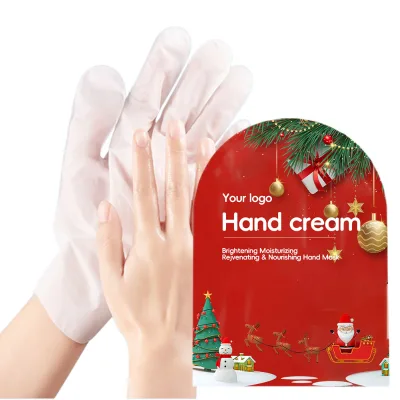
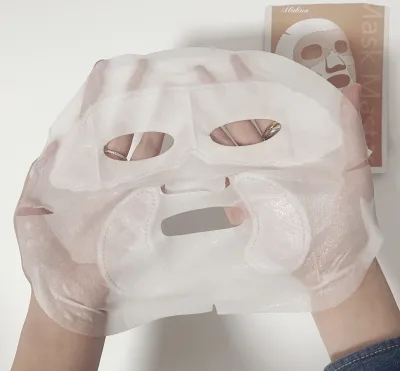


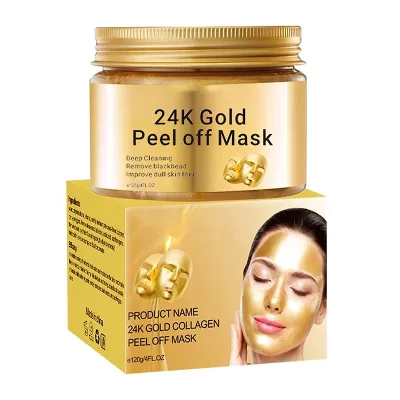
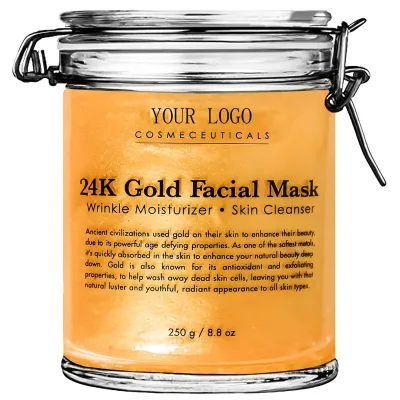
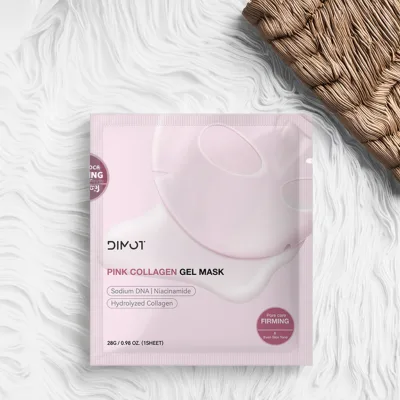
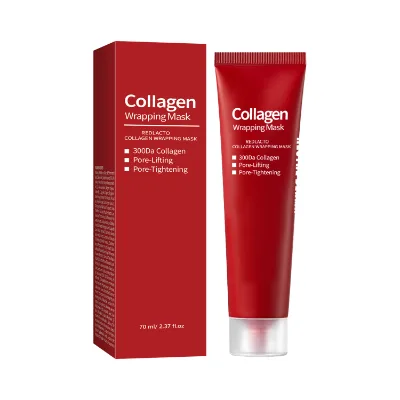


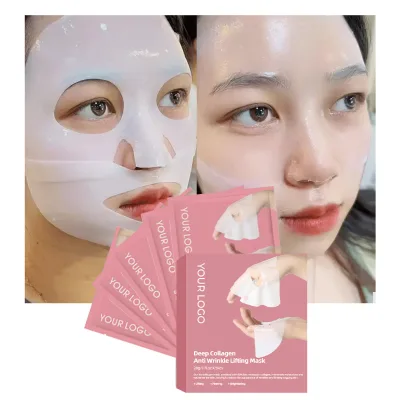


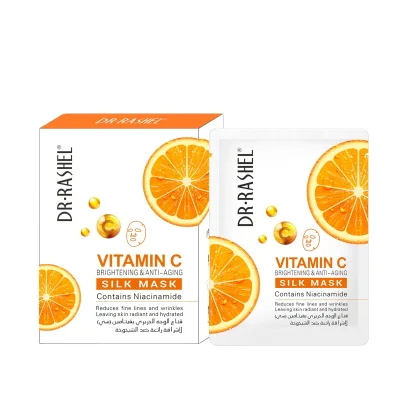


Comprehensive Sourcing Guide
Anti Wrinkle Firming Facial Mask Sourcing Guide
Procuring anti-wrinkle firming facial masks requires a disciplined approach to balancing cosmetic efficacy with supply chain reliability. Buyers must navigate a market where product attributes often overlap, such as moisturizing, whitening, and anti-aging claims, which can complicate specification verification. The core keyword highlights two primary functional benefits: reducing the appearance of fine lines and improving skin elasticity. Sourcing decisions should prioritize suppliers who provide clear ingredient transparency and consistent manufacturing standards, as these factors directly influence product performance and regulatory compliance in international markets.
This guide focuses on evidence-based procurement strategies for sheet-style facial masks, leveraging observed listing signals and technical specifications. Buyers are advised to treat product attributes as observations rather than universal claims, ensuring that each selected supplier meets specific quality thresholds. By understanding the interplay between material composition, certification requirements, and commercial terms, procurement teams can mitigate risks associated with inconsistent product quality and regulatory non-compliance. The following sections provide a structured framework for evaluating potential suppliers and establishing robust sourcing protocols.
Product Scope and Observed Listing Signals
The observed product scope centers on sheet masks designed for facial application, with a strong emphasis on anti-wrinkle and firming functionalities. Listings frequently highlight additional features such as moisturizing, whitening, nourishing, and lightening effects, indicating a multifunctional approach to skincare. The primary application is for home use, targeting female consumers seeking at-home beauty treatments. Materials typically include non-woven fabrics, which serve as the carrier for active ingredients like hydrolyzed collagen, sodium hyaluronate, glycerin, and vitamin C. These ingredients are selected for their ability to hydrate and support skin structure, aligning with the core anti-aging narrative.
Observed listing signals reveal a diverse range of product variations, including different model numbers and packaging sizes. For instance, some listings specify a single package size of 10x15x0.5 cm, while others indicate a net weight of 36g. The color of the masks is often described as white or as shown, suggesting potential variability in dye or material finish. Additionally, the presence of organic ingredients and sulfate-free, paraben-free, and cruelty-free formulations points to a growing consumer demand for clean beauty products. Buyers should verify these claims through supplier documentation, as listing descriptions may not always reflect the final product's composition or regulatory status.
Technical Specifications to Verify
Technical verification begins with confirming the physical dimensions and weight of the product, as these factors impact shipping costs and storage efficiency. Buyers should request detailed specifications for the single gross weight, which has been observed at 0.050 kg, and the net weight, typically around 36g. The model number, such as 241030-1 or ct, serves as a unique identifier for quality control and inventory management. It is crucial to ensure that the supplier provides consistent model numbering across orders to avoid confusion in logistics and fulfillment processes. Additionally, the shelf life of three years should be clearly stated on packaging and confirmed in technical data sheets.
Ingredient verification is another critical technical aspect, with main ingredients often including collagen, glycerin, hyaluronic acid, and vitamin C. Some formulations may also contain pearl extract or other specialized components for lightening or firming effects. Buyers must ensure that the ingredient list matches the product's marketing claims and regulatory requirements in the target market. The use of organic ingredients and the absence of sulfates, silicones, and parabens are significant selling points that should be validated through laboratory analysis or supplier certifications. Consistency in ingredient sourcing and formulation is essential to maintain product efficacy and brand reputation.
Compliance and Safety Documentation
Compliance with international safety standards is non-negotiable for facial mask procurement. Buyers must verify that suppliers hold relevant certifications, such as CE and MSDS, which indicate adherence to European safety and chemical handling regulations. GMP certification is also critical, as it ensures that the manufacturing facility follows Good Manufacturing Practices for cosmetics. These certifications provide assurance that the product is produced in a controlled environment, minimizing the risk of contamination and ensuring batch-to-batch consistency. Buyers should request copies of these certificates and verify their validity with the issuing bodies.
In addition to certifications, buyers should require detailed Material Safety Data Sheets (MSDS) for each product variant. These documents provide essential information on the chemical composition, handling precautions, and first-aid measures. The MSDS should align with the ingredient list and confirm that the product is free from prohibited substances in the target market. Furthermore, buyers should ensure that the supplier complies with local labeling regulations, including accurate ingredient declarations and usage instructions. Proper documentation not only facilitates customs clearance but also builds consumer trust by demonstrating a commitment to safety and transparency.
Cost Drivers and Commercial Terms
Cost drivers for anti-wrinkle firming facial masks include raw material quality, packaging complexity, and order volume. The use of premium ingredients like hydrolyzed collagen and hyaluronic acid can significantly impact the unit cost, while non-woven material quality affects both performance and price. Packaging, such as carton packing for bulk orders, adds to the overall cost but is essential for product protection during shipping. Buyers should negotiate pricing based on clear volume tiers, as observed MOQ ranges vary from 2 to 30,000 pieces. Understanding these tiers allows for better budget planning and inventory management.
Commercial terms also play a crucial role in the total cost of ownership. Delivery times, typically ranging from 3 to 7 days, influence supply chain agility and stock levels. Buyers should clarify whether these lead times include production, packaging, and shipping, or if they refer to a specific stage of the process. Additionally, the availability of OEM and ODM services allows for customized branding and formulation, which may incur additional costs but offers competitive differentiation. Sample availability is another key factor, enabling buyers to evaluate product quality before committing to large orders. Clear communication of these terms helps avoid unexpected expenses and ensures smooth transaction processes.
Supplier Qualification and Quality Control
Supplier qualification involves a thorough assessment of manufacturing capabilities, quality control systems, and business stability. Buyers should prioritize suppliers with established OEM and ODM experience, as this indicates flexibility and expertise in customizing products to meet specific requirements. The ability to provide customized logos and labels is a valuable service that enhances brand identity. Additionally, suppliers should demonstrate a robust quality control process, including raw material inspection, in-process monitoring, and final product testing. This ensures that each batch meets the specified standards for efficacy and safety.
Quality control extends to post-production checks, such as verifying the accuracy of labeling and packaging integrity. Buyers should request quality assurance reports for each shipment, confirming that the products meet the agreed-upon specifications. Regular audits of the manufacturing facility can provide further assurance of compliance with safety and quality standards. Establishing a clear communication channel with the supplier is essential for addressing any issues promptly and maintaining a productive partnership. By investing time in supplier qualification, buyers can mitigate risks and ensure a reliable supply of high-quality facial masks.
Long-Term Procurement Checks
Long-term procurement success depends on continuous monitoring of supplier performance and market trends. Buyers should establish key performance indicators (KPIs) to track delivery times, product quality, and customer satisfaction. Regular feedback loops with the supplier can help identify areas for improvement and foster a collaborative relationship. Additionally, staying informed about regulatory changes in target markets is crucial to ensure ongoing compliance. Buyers should proactively update their documentation and product formulations as needed to meet evolving standards.
Market trends also influence long-term procurement strategies, with consumers increasingly demanding clean, organic, and cruelty-free products. Buyers should regularly review their product portfolio to ensure it aligns with these preferences and maintains competitive relevance. Exploring new ingredient innovations and packaging technologies can provide opportunities for differentiation and growth. By maintaining a flexible and informed approach, buyers can adapt to market changes and sustain a successful sourcing program for anti-wrinkle firming facial masks. This proactive stance ensures long-term value and resilience in a dynamic industry.
FAQs
What are the main ingredients in this anti wrinkle firming facial mask?
The main ingredients include hydrolyzed collagen, sodium hyaluronate, glycerin, and vitamin C. Some formulations also contain pearl extract. These components work together to nourish and hydrate the skin effectively.
Can I get a customized logo on the anti wrinkle firming facial mask?
Yes, customized logos are acceptable for this product. The supplier offers OEM and ODM services with private label options. You can request specific branding details to match your business requirements.
How long is the shelf life of the anti wrinkle firming facial mask?
The shelf life is three years from the date of manufacture. This ensures the product remains effective and safe for use over an extended period. Proper storage conditions should be maintained.
What certifications does the anti wrinkle firming facial mask hold?
The product holds CE and MSDS certifications. Additional certifications like GMP may also be available depending on the specific batch. These documents verify safety and quality standards for international trade.
Which skin types can use the anti wrinkle firming facial mask?
This mask is suitable for all skin types. It is designed to be gentle yet effective for various skin needs. The formula avoids harsh chemicals like sulfates, parabens, and silicones.
What is the minimum order quantity for the anti wrinkle firming facial mask?
The minimum order quantity is two pieces. This low MOQ allows buyers to test the product before placing larger orders. Bulk pricing may apply for quantities exceeding the initial threshold.
How fast can I receive the anti wrinkle firming facial mask after ordering?
Delivery time is typically three to seven days after order confirmation. This fast lead time supports urgent restocking needs. Sample availability is also provided for quality verification before bulk purchase.